
Part 3 concluded with a molecule. In 1929, Edward Doisy and Adolf Butenandt independently crystallized estrone. The elusive active principle of the ovary ceased to be a hypothesis and became a chemical fact. But a crystal in a laboratory is not a medicine.

In theory, a physician could prescribe a specific quantity of a specific substance rather than, say, twenty grams of minced cow ovary in a sandwich. Thyroxine had replaced sheep thyroid extract for treating myxoedema. Perhaps estrone could replace Ovariin?
Pharmaceutical companies raced to bring estrogen to market. Within five years of estrone’s crystallization, a proliferation of products appeared: Theelin (Parke-Davis), Progynon (Schering), Emmenin (Ayerst), Amniotin (Squibb), Folliculin (Girard), Oestroform, each extracted from a different source, each claiming superiority. The underlying question - which preparation was the right one - remained unanswered.
Isolated estradiol, while physiologically ideal, remained uneconomical; Estradiol oxidizes readily to estrone under the acidic conditions of extraction. Four tons of pig ovaries yielded only 12 miligrams of pure estradiol. Each preparation derived from the urine or placental tissue of pregnant women, each promising potency and efficacy, each constrained by the same immutable problem: there were only so many pregnant women, producing only so much urine.
The chemists of the 1930s knew this perfectly well and at work solving the supply bottleneck. The structure of estrone was known. Partial synthesis from cholesterol was achieved by 1939, first by Russell Earl Marker, working with ergosterol, then by Inhoffen and Hohlweg at the German firm Schering. These partial syntheses worked in principle, but they remained prohibitively expensive for manufacturing. The full total synthesis of estrone came only in 1948, when Anner and Miescher published their work in Helvetica Chimica Acta, a painstaking route of more than twenty chemical steps unsuitable for mass production.1 The commercial demand for estrogen was clear. But, the industry sat at an impasse: how could it scale estrogen? What the market needed was a source of estrogen that was abundant, renewable, orally active, and affordable.
That source would not come from improved chemistry. It would come from the barn.
Estrogen, naturally
The breakthrough came not from a chemist's laboratory but from an observation from a familiar animal scientist, Bernhard Zondek. Zondek, whose urine-based pregnancy test had enabled the isolation of estrogen, made a remarkable discovery while investigating estrogen excretion in animal pregnancy. In his 1934 publications in Nature, Zondek reported that pregnant mare urine contained between 100,000 and 500,000 mouse units of estrogen per litre.2 To place this in context: human pregnancy urine, by comparison, yielded a tiny fraction of these concentrations. The pregnant mare was, in effect, an estrogenic factory. The mares produced a biological concentrate so potent that a single mare, during a single pregnancy, could yield more estrogenic material than a small army of women. And unlike pregnant women, mares could be managed industrially. We had the pastures. We had the barns. We had the buckets.
Zondek’s observation transformed a chemical problem into an agricultural one. Ayerst, McKenna & Harrison, the Canadian pharmaceutical firm that had previously commercialized Emmenin—the estrogen preparation derived from human placentas—recognized the opportunity. In 1939, scientists at Ayerst revisited the possibility of extracting potent estrogens from horses' urine. The company's previous product, Emmenin, had been suffering in the marketplace, losing ground to a cheaper synthetic estrogen, diethylstilbestrol (DES). But horses offered something DES could not: a renewable, abundant, scalable supply of natural estrogenic compounds. Ayerst's scientists developed a process to concentrate and isolate conjugated estrogens—specifically the sulfate conjugates of estrone and other estrogenic compounds naturally present in mare urine.
These conjugated estrogens proved to have a distinct pharmacological advantage: the primary component, estrone sulfate, is two to four times more potent than unconjugated estrone, and nearly as potent as DES.3 They were also water-soluble, which meant they could be formulated as oral tablets rather than injectable oils—a practical advantage that would shape physician prescribing habits for decades to come.4
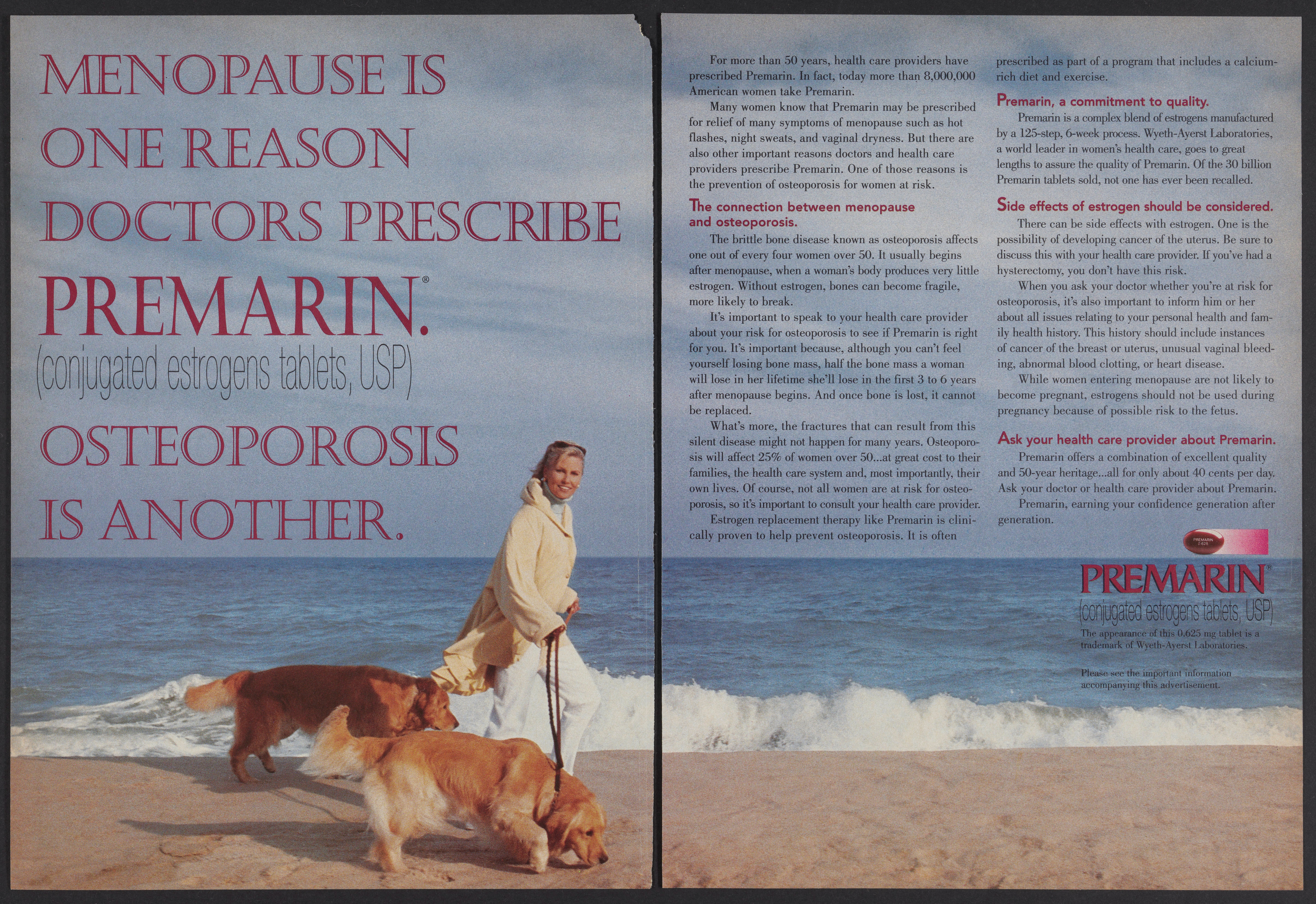
The product launched in 1941 under a trade name that advertised its origin: Premarin, (PREgnant MARe urINe).5 The name implied a “natural” origin transparently derived from a biological source rather than conjured in a synthetic laboratory. Approval from the U.S. Food and Drug Administration followed within a year, and the initial clinical reception was enthusiastic.
By February 1943, the Journal of Clinical Endocrinology published four independent clinical studies from medical centers in Chicago, Louisville, Los Angeles, and Madison, Wisconsin all reporting that Premarin was effective, well-tolerated, easy to administer, and free of the noxious side effects (nausea, vomiting) that plagued DES.6 Physicians, who harbored suspicions about the synthetic DES, found the “natural” horse origin reassuring. As one contemporary commentator put it, “The laboratory cannot quite give the finished product the adsorption advantages that nature conjoins in her slow-working elaboration” (Watkins, 2007, p. 26). Premarin worked, or appeared to work, better than the synthetic alternatives. And it worked at scale. Within a decade, it became the dominant estrogen preparation in the United States and Canada. Premarin would dominate for more than sixty years.
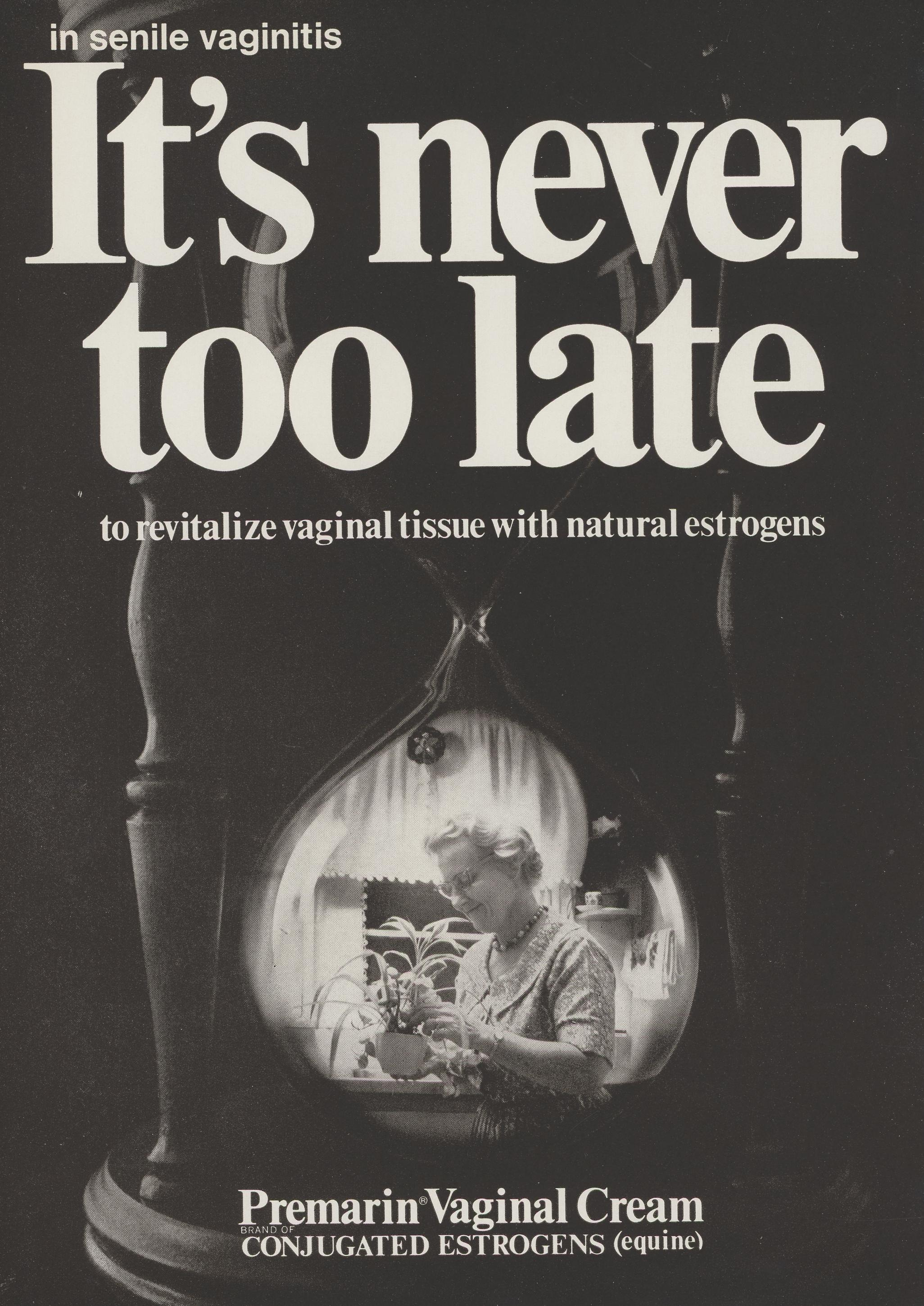
The history of hormone replacement therapy is, in some ways not a story of chemistry, but rather a story of supply chains. Zondek’s observation about pregnant mares transformed the problem entirely. Ayerst’s decision to build an industry around mare urine was, in many ways, inevitable. Not because it was ideal. But because it was possible, scalable, and profitable. Synthetic estrone, though available after 1948, never captured the same share of the market. The total synthesis remained expensive; the industrial infrastructure for producing horses' urine was already established; the medical profession and the public had been persuaded that the "natural" source conveyed an implicit safety. The equine estrogens would alleviate hot flashes, restore vaginal tissue, stabilize mood, and reduce fracture risk. They would also, unbeknownst to those who took them, carry their own set of risks. And they would do all of this not because they were the best possible, nearest bioidentical estrogen—but because they were the most available one.
MHT: controversial before inception
Perhaps unsurprisingly, debates over the ethics of Menopause Hormone Therapy (MHT) are older than the regimens themselves. Starting in the 1920s, with the discovery of estrogen as the primary ovarian substance, physicians argued about what was natural, what was proper, what physicians had the right to alter, and whether the body of an aging woman was a fit vessel for supplementation. In fact, the ethical debate about estrogen replacement preceded the pharmacological evidence by decades. Physicians argued over the moral status of hormone replacement long before they had any real data about its safety or efficacy.
Moral panic
One of the earliest objections came from John Hannan, a London physician at the Maternity Center and Hospital for Women, who wrote The Flushings of Menopause (1927) arguing against the practice of ovarian transplantation—grafting ovarian tissue from younger women (or from the patient herself if she had retained some ovarian function) into the bodies of postmenopausal women. Ovarian grafting was technically feasible; German and Austrian surgeons had been experimenting with it since the 1890s. Hannan’s raised a question that sounds almost quaint now: “
Would we be justified, even if it were possible, in delaying indefinitely, the onset of the menopause? Would the body, as old age advances with generalized degenerative changes, stand the strain of a vigorous sex life?
- John Hannan in The Flushings of Menopause (1927); excerpted from The Estrogen Elixr (Watkins 2007 p. 17)
The argument is worth dissecting, because it reveals something early medical thought about menopause. Hannan does not claim that estrogen is toxic. He does not claim that transplanted ovarian tissue fails to function. He claims something else entirely: that an aging woman’s body should not sustain sexual function, and that attempting to preserve such function through medical intervention would be unseemly and, moreover, physiologically dangerous. The concern possesses a sort of cosmic irony given the enthusiasm for the elder Brown-Sequard’s testicular extract injections. The assumption underneath is stark: menopause marks the end of femininity and sexuality. To defer that end would be to violate nature itself.
This anxiety about propriety would color medical discourse for decades. Physicians of that era, predominantly male, shaped by late-Victorian era views about female sexuality and aging, saw menopause not as a medical condition but as a biological threshold. The menstruating woman was reproductive; the post-menopausal woman was not. This was a verdict, pronounced by nature, by which men in white coats, however well-intentioned, should abide.
By the 1930s, a more ambitious argument began to circulate. If estrogen replacement could mimic the action of the ovaries, wasn't it fundamentally the same as insulin replacement for diabetics? The comparison was seductive. Insulin had been discovered by Banting and Best in 1921. By the early 1930s, it had transformed diabetes from a death sentence into a manageable chronic condition. Here was proof positive that replacement of a lost hormone could be not only safe but life-saving. Why, then, should the loss of ovarian estrogen be treated as a natural and inevitable transition, while the loss of pancreatic insulin was treated as an emergency requiring immediate pharmaceutical intervention?
Elmer L. Sevringhaus, a Wisconsin physician, wrote in the American Journal of Obstetrics and Gynecology in 1932 precisely this argument, comparing menopause to diabetes and suggesting that estrogen therapy was morally equivalent to insulin therapy. But the analogy, however intellectually elegant, had a fatal flaw—one the same physician himself recognized. As Watkins observed, he "acknowledged that menopause did not present the same life-threatening risk as did diabetes, because he acknowledged that 'the conversational method' of psychotherapy—'simply explaining to the patient the nature of her difficulty'—often worked as well as hormone therapy in relieving physical and emotional symptoms" (Watkins, 2007, p. 15-16). You cannot talk a diabetic child out of diabetic coma with mere conversation and reassurance, but, apparently, you could talk a menopausal woman through her hot flashes. Psychotherapy claims aside, there is a truth: diabetes is acutely lethal without intervention; menopause is self-limiting, painful but not acutely lethal.
The pendulum swings
Later, Servinghaus, himself would provide the evidence to undermine his own argument. By 1935, based on six years of clinical experience treating 115 patients, he reported in the Journal of the American Medical Association that none of his patients had required more than 2.5 years of hormone therapy. The clinical observation was simple but momentous: menopausal symptoms remitted naturally over time, with or without estrogen. This suggested something the insulin analogy had obscured: estrogen therapy was not a permanent replacement for a permanently absent hormone, but rather a temporary assist through a transitional biological period. The analogy collapsed, not because the comparison was inaccurate at the chemical level, but because it had been inaccurate at the temporal level. A woman is menopausal for a few years; a diabetic is diabetic for life.
Even as this clinical evidence was accumulating, the medical literature of the late 1930s and 1940s began to codify a new consensus. The titles of articles from this period are themselves instructive. They read almost like cautionary fables:
‘‘The Use and Misuse of Estrogens in Menopause,’’ ‘‘Oestrogenic Therapy: Its Uses and Abuses,’’ and ‘‘Indiscriminate Use of Estrogens in the Menopause’’ … They stressed the importance of prescribing estrogen for a limited time and tapering of gradually, and they warned against any kind of prophylactic use of estrogen in women approaching the menopause. One doctor feared that women might become addicted to estrogen, relying on weekly shots as a panacea for whatever might ail them. (Watkins 2007 p. 34)
The anxiety was not about safety, but propriety and restraint. The emerging consensus was clear: use estrogen only for acute symptoms, use the lowest effective dose, use it only as long as needed, then taper and discontinue. No prophylaxis. No long-term replacement. Do not attempt to preserve youth or femininity indefinitely. Some physicians even raised the specter of psychological dependence. Others feared women develop an addiction to estrogen, relying on estrogen supplements as panaceas.7 The worry was that women might demand ongoing treatment, that they might prefer pharmaceutical solutions to the acceptance of aging. The physicians worried that women, given access to a therapy, might make choices the physicians found troubling.
There is a quiet irony embedded in the medical history of this period, one that prefigures the tragic arc of Menopausal Hormone Therapy (MHT). The conservative physicians who urged restraint - low dose, short duration, symptomatic relief only - turned out to be roughly correct. When the evidence finally arrived decades later, it would confirm that chronic, high-dose estrogen therapy without progestin increased the risk of endometrial cancer. The Women’s Health Initiative study in 2002 would document excess risks of breast cancer, venous thromboembolism, and possibly stroke in women taking long-term hormone therapy. The cautious recommendations of the 1930s and early 1940s—short-term use, low doses, symptomatic indications only—align well with what modern evidence suggests is safer practice.8 But the conservative physicians arrived at these recommendations not because they had evidence of harm. That evidence would not arrive for generations. They arrived at restraint on philosophical and moral grounds, Perhaps right for the wrong reasons
Later, advocates who would champion lifelong estrogen therapy inverted this moral equation. They argued that accepting menopause was not respecting nature but abandoning women. They, again, reframed menopause as a deficiency disease, akin to diabetes or hypothyroidism. The solution? Obvious. Permanent hormone replacement. They would be wrong about the safety profile of chronic therapy, but they responded to something the conservative physicians largely dismissed: the real suffering of menopausal women, the genuine relief that estrogen could provide, and the possibility that some women might rationally prefer a medicated aging to an unmedicated one. The paternalists of the 1930s and 1940s protected women, in a sense, from a harm they did not yet know about. But in doing so, they also denied women the option of making a choice. The later advocates, commercial conflicts and embellishment aside, at least acknowledged that women's preferences mattered. The irony is discomfiting: the physicians who were cautious and perhaps more medically correct were so only because they thought women ought not have a voice.
Gender Trouble
With Premarin on the market and estrogen commercially available by the 1940s, American physicians began experimenting, in the loosest sense of the word, with sex hormone supplementation. The results ranged from plausible to bizarre to deeply unethical. “Pioneering” physicians - did not merely prescribe hormones; they prescribed sex itself. Femininity, masculinity, and a supposed "neutral" state were chemically enforced and thus amenable to chemical correction. Their enthusiasm for these novel concepts dramatically outran the evidence. But, it laid the groundwork for later popularizers of estrogen based MHT.
Enter: William H. Masters
Before he achieved fame as co-author of Human Sexual Response (1966), William H. Masters spent the 1950s at Washington University in St. Louis building a reputation as a researcher on the endocrinology of aging. His interest placed him within a long tradition of physicians who believed that sex hormones held the key to reversing age-related senescence, a lineage stretching back to the physiologist Charles-Édouard Brown-Séquard, who in 1889 injected himself with testicular extracts and claimed rejuvenation, and to the Austrian eugenicist Eugen Steinach, who in the 1920s performed vasectomies on elderly men in the belief that it would stimulate interstitial hormone production.9 But where Brown-Séquard and Steinach had worked with crude preparations and surgical interventions, Masters had the advantage of the recent steroid chemistry revolution: purified, standardized, injectable sex hormones. He operated at the St. Louis City Infirmary, a charitable institution housing the elderly poor—patients in no position to refuse participation. Consent, as the historian Elizabeth Watkins notes, was at best unclear.10
Masters implicated the loss of estrogen as the principal driver of age-related decline in women—not merely hot flashes and vaginal atrophy, but senility, osteoporosis, cardiovascular disease, and a generalized deterioration he associated with hormonal deprivation. While his contemporaries urged restraint - low doses, short durations, symptom relief only - Masters applied sex hormones liberally and claimed extraordinary results. He reported that estrogen could reverse menopause, inducing new menstrual cycles in postmenopausal women (Watkins 2007, p. 36). It is not entirely clear the degree to which his reports corresponded to reality. Watkins points out that, despite death rates of up to 40% in some of his geriatric cohorts, Masters continued to extol his hormone supplementation regimens without apparent reservation. These treatments were not merely ineffective, but also possibly lethal. Yet, Masters didn’t let messy evidence get in the way of a beautiful, elegant hypothesis.
The “Neutral Gender”
Masters’ signature contribution was his 1:20 cocktail of estrogen and testosterone mixed in a ratio of one to twenty. He claimed this preparation:
"This hormone combination [1:20 estrone:testosterone] achieves its effect by what seems to be an arrest, and possibly a partial reversal [emphasis added], of the aging process. This is the result of generally rejuvenated cellular and organ metabolism." (William H. Masters and Marvin H. Grody (1953). Obstetrics and Gynecology II in Watkins 2007, p. 37)
More striking still was the conceptual framework he erected around it. His experiments with the 1:20 cocktail led him to define what he called the "Third Sex" or the "Neutral Gender": the elderly.
In Masters' schema, aging transformed a person - man or woman - through menopause or andropause into a functional "castrate," a being stripped of hormonal sex. The elderly, irrespective of their previous sex, had become neuter. But this hormonal desexualization, though natural, was not irreversible. Masters proposed treating the "Neutral Gender" with injections of his 1:20 E:T cocktail irrespective of "previous sex," on the theory that restoring sex hormones would de-age the patient. It’s not readily apparent which sex the de-aged patient would revert into.
The implications were radical. Masters wanted sex itself to be a hormonal state, not a permanent biological fact. With exogenous hormones, sex could be pharmacologically maintained or restored. If losing your hormones meant losing your sex, then replacing your hormones meant reclaiming it. This represented a dramatic departure from the conservative consensus of low-dose, short-duration symptom management. Masters was not treating symptoms; he was, in his telling, “treating aging” and the “dissolution of sex.” He was constructing a taxonomy of gender defined entirely by endocrine status: man, woman, and neuter—each a pharmacological state, each amenable to chemical intervention.
How did Masters “pioneer” such work? Well, in his era, consent was a murky concept. Masters administered these cocktails to patients at the St. Louis Infirmary. Pre-Belmont Report (1979), before modern Institutional Review Board oversight, the boundaries between clinical care and clinical experimentation were poorly defined, especially for elderly, institutionalized patients.
The parallel to Robert Battey’s mass oophorectomies is striking. In both cases, physicians with strong, yet weakly supported, convictions about the biological basis of their patients’ suffering intervened aggressively, with limited evidence, and with minimal attention to the long-term possible consequences. Battey removed ovaries to cure nervous disorders; Masters injected hormones to cure aging. Both operated on vulnerable populations with limited capacity to refuse. Both framed their interventions as liberation from suffering. Both caused harm. The recurring theme is persistent: when some in medicine encounter a powerful tool—the scalpel, the syringe—they tend to use it first and ask questions later, especially when the patients are vulnerable and desperate.
Shelton: the Case for Lifelong Estrogen
If Masters was the most extreme voice, Shelton was the most quotable. E. Kost Shelton, a practicing endocrinologist and professor of medicine at UCLA, also advocated for the supplementation of estrogen throughout life. Shelton argued that estrogen was essential for a woman:
“to not only capture but to hold a husband’’; estrogen could and should be used to help her maintain her femininity and sexual attractiveness.
Shelton scoffed at those ‘‘therapeutic nihilists’’ who denied estrogen to postmenopausal women: ‘‘The very person who argues that menopause is a natural phenomenon fights nature every day. He pasteurizes his milk, boils his instruments, vaccinates his stock and his children, sprays and buds his fruit trees, flies against gravity, makes new elements and splits the atom. Is the menopause any different?’’ The concerns about estrogen were ‘‘reminiscent of the outworn arguments against anesthesia in childbirth, against cosmetics, against everything progressive in life.’’ (Watkins 2007 p. 45)
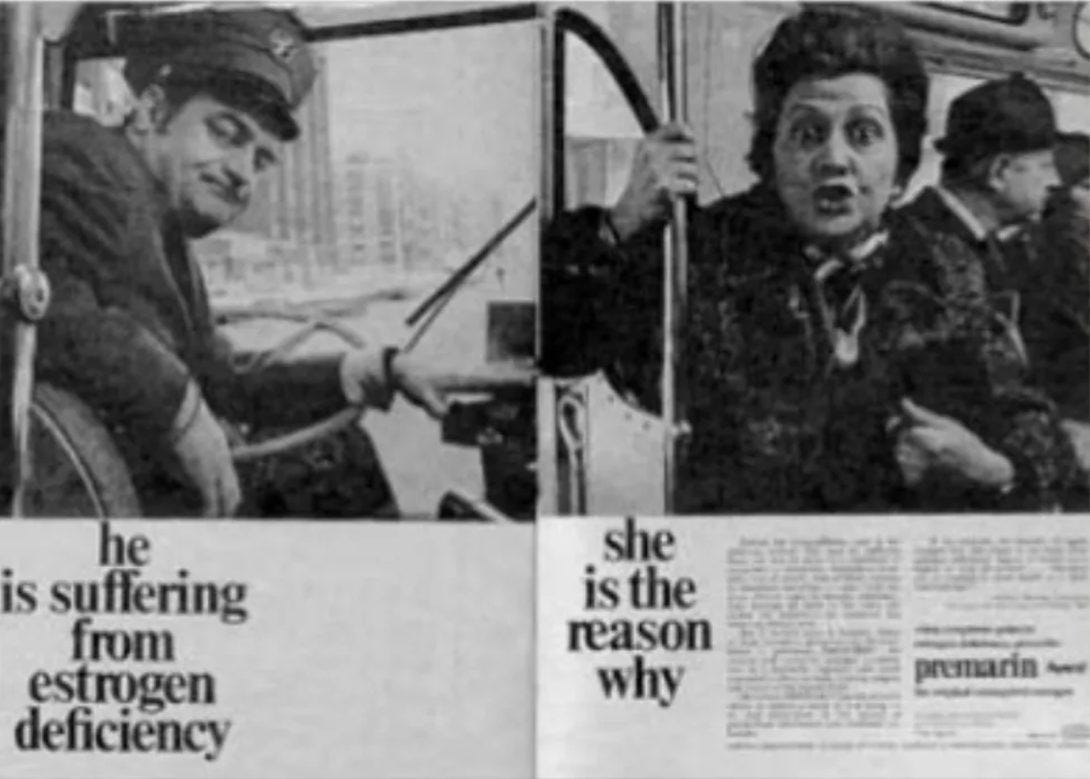
To oppose estrogen replacement was to stand against the tide of human advancement—to be a Luddite, a conservative, a therapeutic nihilist unable to imagine a future in which medicine could improve on nature. Estrogen could capture and hold a husband! Symptomatic relief was good too, but Shelton’s menopause was not primarily a medical condition but rather a marital emergency, a crisis of femininity.
Masters had “advanced” the conceptual framework—hormonal depletion as desexualization, hormonal restoration as rejuvenation—and Shelton had provided the cultural rhetoric, casting opponents of estrogen as backwards “nihilists” standing against progress. Together, they were assembling an argument that would become irresistible: if estrogen made a woman a woman, then replacing the estrogen lost in menopause would help women stay womanly. Who would dare deny women their essence?
Enthusiasm Over Evidence
Masters and Shelton were not marginal figures. They held academic positions, published in peer-reviewed journals, and influenced clinical practice. Their confidence and willingness to prescribe aggressively in the absence of controlled evidence reflects a broader pattern in mid-century medicine. The authority of expert clinicians, the prestige of the case report, and the conviction from physiological reasoning were the evidence.
The absence of Austin Bradford Hill-style randomized controlled trials in this domain is not incidental. Hill had run the first modern randomized controlled trial in 1948, assessing streptomycin for tuberculosis. By the 1950s, the methodology existed. It was proven. It was available. But it was not applied to estrogen.
There are probably many reasons why the novel RCT approach wasn’t applied to estrogen. It was already in widespread clinical use. But, perhaps this reflected the fact that menopause was not considered a disease worthy of rigorous study. Partly it reflected the confidence of the clinical establishment in its judgment. And, perhaps principally, it reflected the fact that the pharmaceutical companies selling estrogen had no interest in work that might produce unfavorable results. Why run a study that could undercut your best selling product?
Masters and Shelton published case reports and clinical impressions. They accumulated testimonials from satisfied patients. But they did not test their claims against control groups. The “excursions” in clinical endocrinology reveal not just individual excess but a systematic error: the failure to subject enthusiasm to evidence.
Feminine Forever
By the middle of the twentieth century, Premarin had become the established standard for menopausal symptom relief in American medicine. Physicians prescribed conjugated equine estrogen routinely for the acute disturbances of menopause: hot flashes, night sweats, vaginal atrophy, and the constellation of mood changes that often accompanied the transition. Yet, despite the growing clinical application, the dominant medical consensus remained conservative. Doses remained modest; durations remained brief; the goal remained circumscribed: ease the passage through a difficult season and then, when acute symptoms resolved, to discontinue treatment.
A recognizable cadre of physicians including Shelton and Masters began to argue for a fundamentally different approach: treat menopause as a permanent deficiency of estrogen requiring lifelong compensation.
Central to this intellectual shift was what historians have termed the “cardiovascular hypothesis”—an inference so simple it seemed almost self-evident.The observation was straightforward: premenopausal women experienced dramatically lower rates of coronary heart disease than age-matched men. The inference followed: estrogen must be cardioprotective. And the corollary was irresistible: if menopause removed this natural protection, then replacing estrogen should restore it. Yet this argument inferred causality from uncontrolled observation. No RCT support. No plausible mechanism rigorously established. Still, by the 1960s, the cardiovascular hypothesis had hardened into near-axiom among estrogen advocates. They cited it as settled science. Four decades would pass before anyone bothered to test the claim in a randomized trial.
Beyond the cardiovascular hypothesis, other applications of estrogen quietly expanded the scope of women who might benefit from treatment. The urogenital applications— vaginal atrophy, dyspareunia, and urinary incontinence—rested on mountains of intrapatient interventional clinical evidence and aroused little controversy. Yet these indications had a hidden consequence. They normalized estrogen as a treatment not merely for acute symptoms, but indefinitely. Was menopausal depression truly the result of estrogen deficiency, or was it more plausibly traced to the social circumstances of middle-aged women in a youth-centered, domesticity-obsessed culture of the 1960s? Some physicians prescribed sedatives or tranquilizers for menopause as alternatives to estrogen. The debate remained genuinely open, which meant there was room for ambitious clinicians to argue expansively for hormone use. And no one was more enthusiastic about estrogen than Robert Wilson.
An unlikely advocate
In April 1963, Robert Wilson, a Brooklyn gynecologist, and his wife Thelma published "The Fate of the Nontreated Postmenopausal Woman: A Plea for the Maintenance of Adequate Estrogen from Puberty to Grave" in the Journal of the American Geriatrics Society. To be “nontreated” was to accept a grim “fate.” The article drew directly on the intellectual currents that clinical hormone “pioneers” Masters and E. Kost Shelton had established. But, although Masters, Shelton, and Wilson were all unburdened by the need for evidence for their claims, Wilson amplified them with an unrivaled rhetorical intensity. Wilson’s content consisted of case reports from his private gynecological practice - narratives of individual patients filtered through Wilson's “interpretive lens.” Yet, Wilson was a doctor. A doctor selling solutions for issues pressing patients. He presented his stories with the weight of clinical authority. Their tone: unrelentingly catastrophic.
Wilson’s key rhetorical move was to frame menopause from as a disease process. He returned to the old analogy comparing menopause to diabetes:
The menopause is a disease process. The estrogenic deficiency at menopause, like insulin deficiency in diabetes, would never go away.
This framing was not revolutionary. But, it was effective. Diabetes, after all, is a chronic metabolic disorder requiring lifelong pharmaceutical management. Therefore, menopause is permanent estrogen deficiency, permanently in need of supplementation.
Wilson proposed “preventative” estrogen therapy for younger women approaching menopause and “restorative” therapy for older women already past it.11 “From puberty to grave.” Wilson’s portrayal of untreated menopausal women was unflinching in its darkness. He described them as “castrates” enduring a “living decay.” These women, according to Wilson, suffered not merely discomfort but a kind of existential deprivation. They blamed their hormone loss for osteoporosis, hypertension, depression, melancholia—what he termed “a rapid cock-like feeling called a negative state.” Beyond these physical and psychological symptoms lay what Wilson took to be the gravest consequence of estrogen loss: desexualization. The untreated postmenopausal woman lost not only her hormones but her desirability. She lost, in short, her femininity.
Was she even still a woman?
Estrogen: the panacea
The solution, needless to say, was obvious. Estrogen. And Wilson wrote of estrogen’s curative powers with an almost utopian fervor:
The skin becomes supple again, the muscles repair their tone and strength, the breasts are restored almost their former fullness and contours, the genitals again become supple and distensible, skin cracks and genital inflammations heal. (Wilson 1966 p. 132)
Symptom relief? Nay. Rejuvenation. Estrogen, according to Wilson, could restore a woman to her premenopausal form. He called estrogen “one of the greatest biological revolutions in the history of civilization”.12 He even claimed that estrogen pils could “prevent menopause”. 13 No wonder, then, that women who felt the weight of menopause in their bodies, who had been told by medicine that their complaints were psychosomatic or inevitable, might find Wilson’s promises attractive. Here was a physician who took their suffering seriously offering pharmacological salvation.
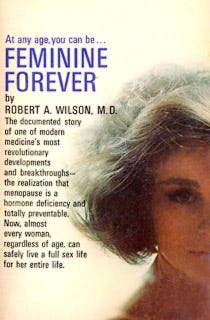
Three years later, in 1966, Wilson published Feminine Forever: A New Life for the Postmenopausal Woman. The book took the article’s claims and expanded them into a 300-page manifesto aimed at a mass audience of women and the physicians who treated them. Timing was everything.
As The Pill unleashed the sexual revolution; second-wave feminism gathered steam; women’s magazines fervently pursued health content. The cultural moment was exquisite for Wilson. It was a moment when women were demanding more control over their bodies and their lives, even as Wilson simultaneously insisted that their fundamental identity - their femininity, their womanhood - was contingent on estrogen. The book was bestseller read by hundreds of thousands of American women. The pages were filled with stories of sad, aging women whose lives had been transformed by estrogen. Wilson presented menopause as a treatable deficiency. The cure: estrogen, of course.
Womanhood, quantified
Central to Feminine Forever was Wilson’s invention of what he called the “Femininity Index”—a test based on the maturation pattern of vaginal cells observed through a Pap smear.14 He established “normal” femininity by measuring the average cell pattern in young women in their twenties, and then he applied that standard to women in their fifties and sixties. Any deviation from the pattern established by younger women implied a loss of “femininity”. By this reasoning, all postmenopausal women were, by definition, abnormal. And if they were abnormal, if their bodies no longer produced femininity as young women did. They must turn to medicine to restore normalcy.
Wilson recommended that women have their Femininity Index tested annually:
Every woman over thirty... have her Femininity Index checked once a year. This quick, painless test may prove a turning point in her life, an assurance of continued health and happiness.
The language of “turning point” and “assurance” was calculated to suggest that the test promised not merely information but redemption. The test was a medical confirmation that a woman remained feminine, viable, and herself. Without the test, without the intervention, what were you? A castrate?
Horsing around with Premarin’s maker
What made Wilson’s campaign particularly effective was the machinery of publicity that surrounded it. Wyeth-Ayerst, the manufacturer of Premarin, covertly established the Wilson Research Foundation and funded it lavishly. Wilson traveled on Wyeth’s dime, promoted the book, gave lectures, and became the public face of estrogen replacement.

In June 1966, Vogue magazine ran an article featuring Wilson, introducing him as “a famous and distinguished gynecologist” and presenting an abridged version of his book arguments along with “key hormone charts” for women in five age groups. Harper’s Bazaar asserted that “the safety and benefits of estrogen therapy have been convincingly demonstrated.” Reader’s Digest offered a more cautious note—”no pill can make one young again”—but acknowledged “hormone value for estrogen-deficient women.” The magazine writers picked up Wilson’s message, amplified it, and carried it into millions of homes.15 Wilson’s financial ties to Wyeth-Ayerst remained undisclosed for decades.16
The results were staggering.
From 1966 to 1975, the annual number of estrogen prescriptions almost doubled, and the market value of non-contraceptive estrogen almost quadrupled. (Watkins 2007 p. 49)
Who didn’t want to remain a woman? Was any price too high? Premarin prescriptions rose from approximately 1.6 million per year in 1966 to nearly 4 million by 1975. By 1975, Premarin had become the fifth-most prescribed drug in the United States (Watkins, 2007, p. 49). Wyeth-Ayerst's financial interests aligned with Wilson's rhetorical success. The more convincingly he argued that women needed estrogen, the more prescriptions filled. The more women who believed they needed estrogen to remain feminine, the more profitable the business became.
Yet what is perhaps most revealing about this pharmaceutical-medical-media complex is not its success but the institutional response to Wilson’s claims. The American Medical Association initiated an investigation into Wilson’s research and his advocacy. But the investigation never produced charges. It never released a conclusion. It simply evaporated into silence.17
The non-resolution was itself telling. Either the evidentiary standards of the era were too loose to support prosecution, or there was institutional reluctance to challenge a physician whose popularity and influence had become undeniable. Either way, the silence allowed Wilson to continue his advocacy. The absence of scrutiny became a form of permission.
The crest of MHT
The popularity of estrogen based MHT would reach its peak in the mid 1970s on the back of enthusiasm from second-wave feminism and sermons from estrogen enthusiasts like Robert Wilson. What would drive the decline?
In the 1970s and 1980s, serious safety signals would emerge from the estrogen replacement paradigm of the time. Those fears created a period of sustained scientific uncertainty and clinical ambivalence. It became clear that question that defined the final decades of the twentieth century, whether the benefits of long-term hormone therapy outweighed its risks, could not be answered by retrospective studies or observational data. Patients needed evidence of a different kind: a large-scale, prospective, randomized controlled trial that could measure the actual clinical outcomes in women treated with modern hormone formulations over extended periods. Following a change at its helm, the National Institutes of Health would later take on the ambitious project - through today, its largest clinical endeavor: the Women’s Health Initiative.
Medvei, V. C. (1993). The History of Clinical Endocrinology (2nd ed.). Parthenon Publishing. p. 221
Medvei, 1993, p. 221; Zondek, Nature, 1934
Premarin was not pure estrone. It was not estradiol, the form of estrogen produced naturally in the human ovary. It was, instead, a complex mixture of approximately ten estrogenic compounds, all present in pregnant mare urine, all conjugated as sulfate salts. The composition, as eventually standardized by the U.S. Pharmacopeia and the FDA, was roughly as follows: 50 percent estrone sulfate (a human hormone), 22 percent equilin sulfate (an equine-specific estrogen found only in horses, not in human female physiology), 14 percent 17α-dihydroequilin (also equine-specific), and several other compounds that exist in nature only in equine species: equilenin, 17β-dihydroequilin, 17α-dihydroequilenin. In total, nearly half of Premarin’s composition consisted of estrogens that do not exist in human biology. Premarin was not a replacement of the human hormone. It was a substitution with a closely related equine mixture. This distinction would acquire considerable weight in later decades when researchers and bioidentical advocates began to ask whether the equine estrogens behaved identically to human estrogens in human metabolism.
Watkins. 2007. The Estrogen Elixir. JHU Press. p. 26
It’s not clear if Ayerst was first to market in the US. According to Elizabeth Watkins’ The Estrogen Elixir, the Dutch pharmaceutical firm Organon released Menformon which also a form of conjugated equine estrogens extracted from the urine of pregnant mares (p. 23). This would later become a marketing point for synthetic estrogens - “no ‘barnyard’ aftertaste” (p. 104).
Watkins, 2007, p. 26
Watkins, 2007, p. 23
It should be emphasized that the modern understanding of HRT is considerably more nuanced than either the "use and misuse" consensus of the 1930s–1940s or the "Feminine Forever" enthusiasm of the 1960s. Current evidence supports short-term estrogen therapy (typically 5–7 years) for moderate to severe menopausal symptoms in carefully selected populations, with consideration of individual risk factors.
The Brown-Séquard and Steinach traditions are detailed in Epelbaum, J. (2008). "From Brown-Séquard's rejuvenation to growth hormone therapy." Journal of Neuroendocrinology, 20(6), 713–716. Though Brown-Séquard's testicular extracts contained negligible quantities of testosterone—"four orders of magnitude less than that required for a biological effect"—his work launched both an unregulated industry and serious research into endocrinology. Steinach's vasectomy procedure, despite its theoretical flaws, was performed on luminaries including Sigmund Freud and William Butler Yeats, testimony to the period's rejuvenation fever.
Watkins 2007, p. 36
Watkins, 2007, p. 47
Robert A. Wilson. Feminine Forever. 1966. Dedication.
Robert A. Wilson. Feminine Forever. 1966. p. 184
Watkins, 2007, p. 77
Watkins, 2007, pp. 78–79
Robert Wilson’s son Ron Wilson later came out against the use of Premarin. Why? He believes its production is cruel and causes unnecessary suffering as the product is still made from the urine of pregnant mares. In the book, Robert Wilson also endorsed extramarital affairs.

Watkins, 2007, p. 98